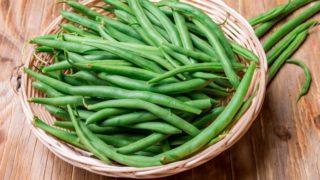
When it comes to healthy eating, green beans (also known as snap beans or string beans) are the crunchiest and...
Vegetable
-
-
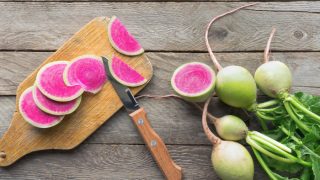
If you have enjoyed a Buddha bowl with beautiful, spicy radishes that surprisingly look like baby watermelons, then you have...
-
Pink oyster mushrooms, with their stunning ruffles and beautiful pink blush, are perhaps one of the most photographed mushrooms on...
-
When life gives you a bunch of pretty pink radishes, you can use them in delicious salads for easy family...
-
Umibudo, a seaweed popularly known as green caviar, is one of the iconic side dishes in Okinawa, Japan. Okinawans believe...
-
For a vegetable that is so universally liked and eaten, corn does get its fair share of bad press. It&...
-
You may have most likely eaten wood ear mushrooms in your hot and sour soup and have not realized that...
-
Black trumpet mushrooms are difficult to forage in the wild woods but well worth the effort if you manage to...
-
If you have those garden green beans lying around and you’re wondering what to do with them – ...
-
We all know that culinary scientists and food connoisseurs have declared umami as the fifth taste, after salt, sweet, sour,...
-
Banana pepper belongs to the chili pepper family and is popular for its mildly tangy taste. It is either brightly...
-
Of all the winter squash, buttercup squash perhaps is the one most prized for its delicious flavor. It may not...










Did you know that including vegetables in your diet is probably the easiest way to stay healthy and nourished? Since they are low-calorie, nutrient-rich foods, they help you stay in optimum health over the long term.
The health benefits of vegetables usually show in the long run as they improve your overall health and keep the organs in a perfect condition. They take care of your digestive, excretory, and skeletal system, as well as blood pressure levels. There have been innumerable research studies done all over the world that strongly suggest having fresh, green vegetables on a regular basis is far better than going for supplementary tablets to get the wholesome nutrition that you need.
Nutritional Value of Vegetables
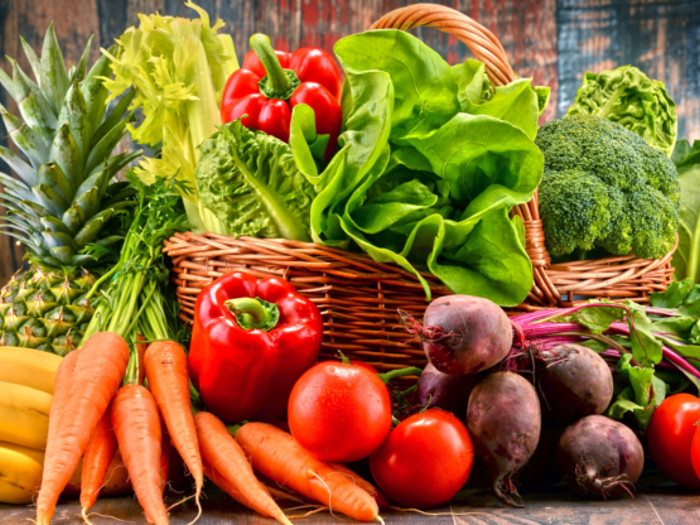
Rich in a host of useful nutrients and powerful antioxidants, vegetables should be included in the daily diet. Vegetables deliver ample amounts of vitamins including folate, vitamin A, K and vitamin B6, as well as carotenoids like beta-carotene from carrots, lycopene from tomatoes, zeaxanthin from green veggies, and lutein from spinach and collard greens. Salad greens are packed with important nutrients and phytochemicals that support the maximum benefit to our day to day vegetable requirement.
Antioxidants
- According to a recent study, plant-based foods contain antioxidants (polyphenols) that may improve blood sugar in people at risk for diabetes and heart diseases. Vegetables have abundant levels of antioxidants that prevent cardiovascular problems and the growth of cancerous cells. Moreover, antioxidants boost immunity and prevent infections and diseases.
- Most of the green, yellow, and orange vegetables also have a high percentage of calcium, potassium, iron, magnesium, vitamin B-complex, vitamin A, vitamin C, vitamin K, zeaxanthin, α and β carotenes, and crypto-xanthins.
- Dark green vegetables have lots of phenolic flavonoid antioxidants and minerals. Leafy green vegetables have a bioflavonoid known as ‘quercetin’. It has antioxidant, anti-inflammatory, and anticancer properties. Quercetin also effectively cuts down the flow of substances that lead to allergies. This compound plays the role of an inhibitor of mass cell secretion, thereby decreasing the release of interleukin-6.
Dietary Fiber
- Vegetables are abundant in soluble as well as insoluble dietary fiber, known as non-starch polysaccharides (NSP). This dietary fiber absorbs the extra water in your colon and thereby retains the moisture content in the fecal matter.
- Eating fiber-rich vegetables keep your digestive system clean and healthy, helping you avoid problems like constipation, diarrhea, bowel irregularity, colon cancer, and even polyps. Vegetables also aid in preventing hemorrhoids and rectal fissures.
- Since they have high fiber content, vegetables also tend to make you feel full for longer, and prevent unnecessary snacking, thereby helping you in weight loss.
Proteins and Amino Acids
- If you follow a vegan or a vegetarian diet then you must ensure that your diet contains protein-rich vegetables. Once you have the correct vegetables in your meals, you will gain ample amount of amino acids that are required to live healthily.
- Eat plenty of beans and spinach, along with whole grain rice for a balanced meal.
Water Content
- Vegetables naturally have high levels of water. This is the reason why they are generally fat-free and low in calories.
- Thus, a diet rich in vegetables increases the water intake and helps in flushing out toxins from your body.
Minerals
- Green leafy vegetables are high in magnesium and have a low-glycemic index, thus proving to be helpful for patients with type 2 diabetes. If you eat at least 1 serving of green leafy vegetables each day, it will considerably lower your risks of diabetes.
- Green vegetables are also rich in iron and calcium, except for Swiss chard and spinach, since they are high in oxalic acid.
Vitamins
- The high level of vitamin K in vegetables makes them an ideal and natural way to prevent bone problems. Vitamin K is necessary for the production of osteocalcin, a protein mandatory for proper bone health.
- In a survey, the addition of green, leafy vegetables considerably decreased the chances of hip fractures in middle-aged women.
Lycopene and Beta Carotene
- Green vegetables have high levels of beta-carotene, which improve immune function considerably once it is converted into vitamin A.
- Tomatoes contain lycopene, which protects your eyes from vision problems.
- A diet deficient in green vegetables often leads to the possibilities of blindness and other illnesses.
Allyl Sulfides
- Garlic, onions, chives, leeks, and scallions are rich in allyl sulfides that help in lowering high blood pressure and protecting the stomach and digestive tract from fatal diseases like cancer.
Health Benefits of Vegetables
Let’s look at some of the most important health benefits of vegetables in detail.
Prevent Hypertension
Recent research suggests that Mediterranean diet comprising of food rich in unsaturated fats (found in olive oil and nuts) and nitrite and nitrate (found in leafy green vegetables) may help protect you from high blood pressure.
Relieve Stress
Eating fruits and vegetables may promote emotional well-being among young adults. They are known to naturally relieve stress and depression and boost the mood. Research suggests that good mood may lead to a greater preference for healthy foods overindulgent foods. Kale is a great vegetable that enlightens your mood and helps you relax.
Prevent Cancer
Cabbage, brussels sprouts, cauliflower, and broccoli have high amounts of indoles and isothiocyanates. These components have protective properties against colon cancer, breast cancer, skin cancer, and some other types of cancers. Broccoli sprouts have immensely higher sulforaphane than the matured broccolis, which is a cancer-protective substance. Furthermore, as said before, since vegetables are great antioxidants, they also alleviate the chances of fatal diseases like cancer.
Weight Loss
It is a well-established fact that eating veggies is a healthy way to lose or maintain weight. In fact, vegetables are called ‘negative calorie foods’ because they actually help in weight loss by making you spend more energy to digest the food than add to your overall caloric intake.
You will find two types of vegetables; starchy and non-starchy. You can include both of these in your diet; however, only the non-starchy varieties can be consumed in unlimited quantities.
- Starchy vegetables: They have more sugar, so you need to keep the quantity in check. These include peas, plantains, squash, potatoes, and yams
- Non- starchy vegetables: These include cauliflower, asparagus, artichokes, beets, carrots, broccoli, onions, cucumber, leeks, eggplant, tomato, peppers, mushrooms, spinach, salad greens, and zucchini.
However, if you are on a strict diet, then consider the vegetables with minimal calories and high nutritional value. These are carrots, radishes, celery, cucumbers, fresh green beans, cabbage, cauliflower, lettuce, cherry tomatoes, and mushrooms.
To lose weight, it is not necessary to turn into a vegetarian, but if you simply start eating an abundance of fruits, legumes, vegetables, nuts, grains, and seeds, your health will improve. That type of diet, when combined with exercise plans, drastically reduces your weight and keeps you fit and healthy. Most of the plant foods are low-calorie and low-fat, while also keeping you full for a longer time. As they are fresh and whole, your body will get used to eating natural, organic foods, rather than fast food or overly processed foods.
Skin Care
Nature knows the best ways to keep us healthy, whether it is our organs, limbs, skin, or hair. The fruits and vegetables that we often tend to forget in our diet are the best treatments for bright, glowing, and healthy skin. The vibrant pigments in fruits and vegetables also have immense disease-fighting capabilities. Both fruits and vegetables can be divided into four color groups; each of them having specific benefits.
- ‘Oranges and yellows’ include sweet potatoes, carrots, oranges, and apricots. They are rich in vitamin C, which is highly beneficial to the skin, and aids in the growth and protection of collagen. Collagen retains the elasticity of your skin, thus delays the appearance of wrinkles.
- The group of ‘reds’ includes tomatoes, red peppers, red onions, and papayas, all of which are lycopene-rich. They effectively protect your skin from the harmful rays of the sun. However, it should be noted that cooked tomatoes offer you more lycopene than raw ones, meaning you get more benefits from tomato sauce than raw tomatoes.
- The next group is ‘greens’, which includes broccoli, kiwis, cabbage, kale, Brussel sprouts, green bell peppers, collards, romaine, and spinach. These vegetables are mainly rich in vitamin C.
- The ‘blues’ include plums, beets, eggplant, red grapes, and purple cabbage. They are rich in antioxidants, which are needed for healthy and radiant skin. Any combination of vegetables works wonders for the skin, because it not only delays the signs of aging but also keeps the skin bright, fresh and prevents dryness and other skin disorders.
Vegetables are used at home or salons for facial treatments to improve the skin health.
- Vegetable toner: Nowadays, many salons opt for vegetable facials and have started using a vegetable toner by mixing chopped cucumber flesh, lettuce leaves, lemon juice and chopped tomato into the facial material. You can make this toner at home quite easy to gain a brighter complexion.
- Vegetable peels: They are also used in many salons, which ensure blemish-free and bright skin.
Hair Care
You would be surprised to know that a healthy diet with many vegetables gives your hair a greater health boost than the most expensive shampoos in the market. Vegetables are undoubtedly the powerhouses of nutrition since they are packed with the vitamins and minerals that your hair need the most to ensure strong, healthy, and lustrous hair. As discussed before, if you categorize vegetables in terms of color and include at least one serving of each in your diet, you will get ample benefits for your hair.
- The dark green vegetables are rich in vitamin A, vitamin C, calcium, and iron, which are essential for the production of sebum, an oily substance that is secreted from your scalp and acts as a natural hair conditioner. They also help prevent hair loss by ensuring optimal levels of iron and calcium in the body
- Red vegetables have plenty of lycopene. You will find this nutrient in many hair products as well. Red peppers have plentiful amounts of lycopene and the shiny outer skins have a high percentage of silica, a mineral required to maintain your hair’s thickness.
- The orange vegetables (especially carrots) have beta-carotene, which is the antioxidant necessary for healthy hair growth. They’re rich in vitamin C as well, which protects your hair from free radicals. The orange veggies shield your hair from the harmful effects of the sun and lock in the moisture.
- The yellow vegetables have similar nutritional value as those of orange ones.
- The white vegetables like onions are powerful antioxidants that shield your hair from root to tip. Moreover, they are rich in vitamin C, often considered the “anti-aging vitamin”.
Onion juice was recommended in ancient times to be applied topically since it helps in stimulating hair growth. Further studies are being done at different universities around the world regarding onion juice to see if this ancient claim is really true.
Multimorbidity
Recent research suggests that greater consumption of vegetable, whole grain products, and fruits may lower the risk of multimorbidity.
How Many Vegetables Should We Eat?
It is said that the more vegetables we consume, the more health benefits our body gets.
- You should consume at least 2.5 to 6.5 cups of fresh vegetables every day.
- Also, make sure you eat 4-5 different types of vegetables. Also, include seasonal vegetables in your diet.
They are the most beneficial for human health, as they have higher nutrient value if eaten during proper time of the year.
Needless to say, consuming raw vegetables gives you maximum benefits, except a few instances when you need to cook them in order to make the vegetable palatable (e.g. – cauliflower and eggplant). However, vegetables can also be consumed after processing and cooking, although it does take away a small percentage of nutrients. Realistically, consuming it in either way is good for your health.
- The green, leafy vegetables come in a variety of colors, starting from the bluish-green of kale to the vibrant kelly green of spinach.
- The leafy greens have random flavors, ranging from sweet to bitter, and again from earthy to peppery.
- Collards, bok choy, Swiss chard, and spinach have a mild flavor while mizuna, arugula, and mustard greens have a peppery flavor.
- Bok choy is used mainly in stir-fry dishes, as it remains crisp, even after cooking at a tender stage.
Vegetables: Select and Store
Check the Color while Buying
- Always check the fresh lively green color of vegetables (or its respective color) while purchasing.
- The yellowish tinge indicates aging of the vegetable and they might have an “off” flavor.
- Frozen and canned vegetables can be healthy, but canned vegetables have the possibility of carrying excessive sodium. If you buy these, rinse them vigorously under cold water before use.
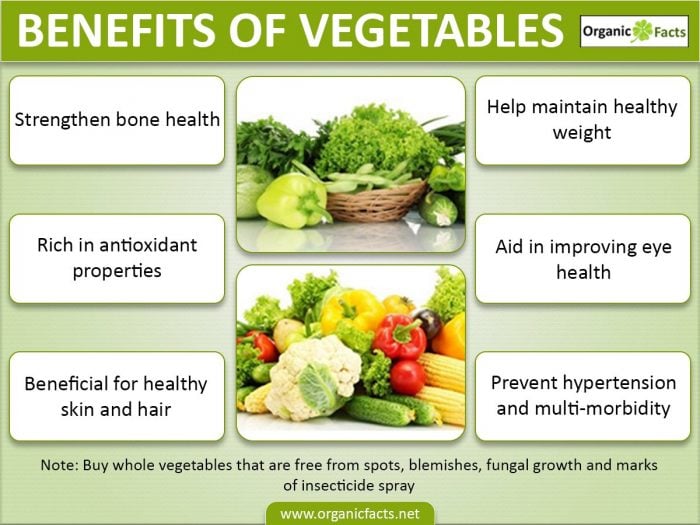
- Look for spots, blemishes, fungal mold, and marks of insecticide spray. If you see them, do not buy those vegetables.
- Always purchase whole vegetables and not cut sections of the vegetable.
- Also, beware of food contamination and foodborne illnesses while buying vegetables.
Use them ASAP
- You should buy vegetables in small quantities so that you can use them quickly.
- Certain vegetables have a considerably short shelf life, particularly if you go the healthy route and buy organic, non-processed vegetables.
- Also, the healthy nutrients of vegetables start declining over time.
- After a certain time in storage, harmful bacteria can start growing on vegetables.
- Moreover, with increased storage time, the vitamin C content in vegetables degrades rapidly, thus hampering its beneficial impact.
- If you cut and leave vegetables, oxidation will occur as they are exposed to the air and cause discoloration of the vegetable. However, the vegetables are still edible and you can stop this oxidation by adding ascorbic acid to the surface areas or by refrigerating the vegetables.
Storing Tips
- Do not keep vegetables in hot and humid places.
- Always keep them refrigerated and pre-cut pieces should be frozen or enclosed by ice.
- Keep the vegetables in plastic wrappings or in zip pouches to retain the nutrition, until you use them.
- Make sure to rinse all vegetables before eating. Wash them after purchasing, especially the green leafy ones, as they may have insects or harmful pesticides on them. This extends their shelf life.
- If you rinse vegetables in salt water for a few minutes, it ensures their ultimate cleanliness.
- Keep your vegetables completely separate from raw foods like poultry, meat, and seafood.
- Also, they should also not be kept in contact with cooking utensils or surfaces like cutting boards etc.
- You can wrap the green leafy vegetables in perforated plastic or porous paper such as newspaper and then refrigerate them to increase their shelf life. If you use a newspaper, take care that the vegetables are dry, so that the ink from the newspaper does not stick to the vegetables!
Whew! There is a lot to say about vegetables, but for now, go out and have an adventure in a produce aisle; your body will thank you!