Browse Facts
Home
Organic Food
Organic Clothing
Organic Cosmetics
Organic Products
Organic Cultivation
Organic Stores
Add Your Organic Business
WWOOF
Health Benefits
Nutrition Facts
Food Directory
Subscribe Newsletter


Know Us
About Us
Contact Us
Terms of Use
Privacy Policy
Advertise with Us
Submit Your Article
Most Read
Home insurance quotes in no time
Latest Articles
Home
   
Welcome to Organic Facts
What is Organic Food? E-mail

Organic food refers to food items that are produced, processed and packaged without using chemicals. Organic food is increasingly becoming popular due to its perceived health benefits over conventional food. The industry is growing rapidly since the past five years and has caught the attention of farmers, manufacturers and, above all, consumers.

According to Datamonitor, the global organic food market was about USD 36.7 billion in 2006, USD 43.5 billion in 2007 and USD 52 billion in 2008 according to Datamonitor. In 2006, over 30 percent of the global organic demand scame from the US, which has a market of about USD 13.6 billion, according to Nutrition Business Journal. In spite of global recession, the organic food industry showed double digit growth in 2007 and 2008. According to Datamonitor, the industry grew by 10.9% and 13.7% in 2007 and 2008 respectively.

The organic revolution is a global phenomenon witnessed in every part of the world including the US, Canada, Mexico, Austria, Denmark, Finland, France, Germany, Italy, The Netherlands, Spain, Sweden, Switzerland, UK, Hungary, Poland, Australia, New Zealand, China, India, Japan, Malaysia, Singapore, Thailand, Turkey, Argentina, Brazil, Chile and South Africa. These regions are important production as well as demand centers.

ADD YOUR ORGANIC BUSINESS

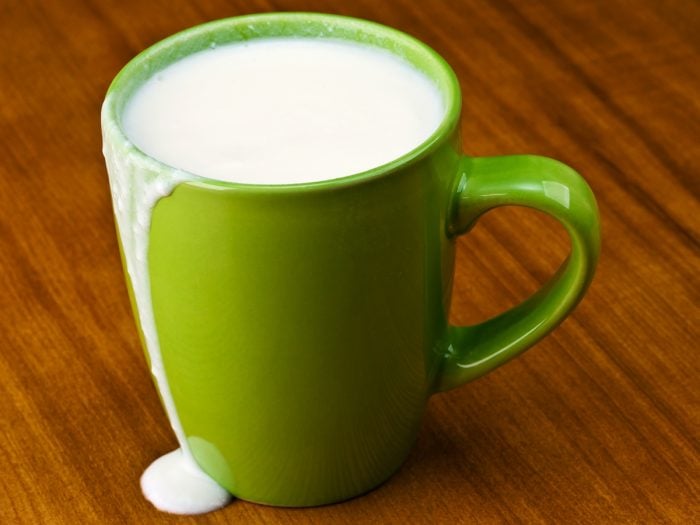
Popular organic food items include organic tea, organic coffee, organic wine, organic meat, organic beef, organic milk, organic honey, organic vegetables, organic fruits, organic rice, organic corn, organic herbs, organic essential oils, organic coconut oil and organic olive oil.

But the organic concept is not limited to food items. Due to execcesive usage of harmful chemicals in cosmetics, people are turning towards organic cosmetics also . One can often see organic skin care products, organic shampoos, organic soaps, and organic make up products on the shelves of organic stores.

Organic cotton clothing, especially organic baby clothing is also a growing market. Parents prefer to pay a higher premium to protect the skin of their babies from rashes caused by the chemicals used in textiles.

Since organic food costs about 20% to 100% more than conventional food, many people also prefer to grow organic food in their home gardens. The conventional gardening is being replaced by organic gardening which uses organic seeds, organic fertilizers, compost, organic root stimulators, and organic pest control.

Organic farming is also a viable means of sustainance for small farmers in the developing countries. Most of the organic fertilizers and pesticides requirement can be met through on-farm and local production. Hence, organic farming does not involve huge capital investments in buying fertilizers and pesticides. Small farmers, therefore, find organic farming beneficial. Coconut Oil Recipes

Tips for Organic Food Customers
1. You can get organic food at a number of places including the following:

  • Local health food stores: The best place to get organic food is the local health food stores. Initially you will have to do some search to find these stores. Look into the yellow pages, ask an organic association near you or search on the Internet. Once you have a list of health food stores in your locality ready with you, shopping organic food will become as easy as any other food item.
  • Farmers' market: If you are fortunate enough to live in a place which is close to the country-side, an organic farmers' market should be easily accessible to you. But how do you come to know about the market? Ask others. Ask other consumers whom you meet in health food stores, the managers of the health food stores you visit, organic food associations, and officials at government agriculture departments.
  • Farms: You can also purchase organic food directly from organic farms. Utilize your weekends for this purpose. Having an outdoor trip in the country-side will refresh your mind and would also ensure healthy food for you to eat throughout the week. Finding organic farms in your vicinity is very difficult. Again the solution is - ask others.
  • Large retail chains: Large retail chains are the easiest place to get organic food. Almost all retail chains sell organic food; look for organic food shelves. One interesting retail chain is the Whole Foods Market, which is a specilized retail chain selling only natural and organic food. Whole Foods Market is present primarily in the US. It has expanded into the UK and Canada as well.
  • Online stores: There are numerous online stores which provide delivery at your doorstep with minimal shipping charges. Search for them on the Internet.

2. But be careful, if the board of a store or a shelf in it displays organic does not necessarily mean that the products sold there are organic. Ideally, they should be. But some people can try to cheat you. Hence search on the packet the label / logo of the certification body that has monitored and approved the production and processing of the food item as organic. If a shopkeeper sells you (organic) food without a proper label, then he/she may be cheating you. Just today (December 30, 2007) itself, we found a leading egg manufacturer selling eggs in a leading retail chain with the label 'Like Organic Eggs'. The word 'like' was in a small font in a similar color as the background. The word 'Organic' was in a big font in green color. There was no label of any certifying agency. When we enquired about details of the product, the store manufacturer did not have any answer.

3. So the next step is to know which organizations are authorized to sell organic food in your region. You can find this on the Internet or the best way is to ask the officials in government agriculture departments.

4. Finally, you need to keep a watch on the price. The price of organic food is about 10% to even 200% higher than conventional food. Also, many store keepers buy the organic food directly from a farm. The price of a food item in an organic food store depends on whether the shop keeper knows a farmer who sells the food item at a cheaper rate. A store may provide one product (say organic meat) cheapest in your locality, but another product (say organic tomato) may be expensive at that store. Another store may have organic tomato cheaper but organic meat may be expensive. So check out the prices of different food items in different stores and buy accordingly.

Tips for Aspiring Organic Food Retailers
We often get queries from people who are keen in starting organic food retail business. One common advise we give to anyone who wants to get into this business is that organic food market is still a developing market, especially in India. Most of the people who eat organic food dont buy it regularly. Hence you may need to sell other health products too if you wish to get a daily (or at least weekly) visit from your customers.

Tips for Aspiring Organic Food Farmers
Whether you are new to farming or wish to move to organic farming from conventional farming, following the below mentioned three steps will help you succeed in your activity:

1. Know the intricacies: You need to find out the details of all aspects of organic farming before you start any activity. Understand your soil and get details of what will grow better on your soil. Once you have finalized the crops, find out the source of organic seeds. Also find out what organic fertilizers, companion crops, organic pesticides, and organic insecticides you need to use for these crops. Find out the places from which you will purchase them.

2. Know the regulations: You need to get an organic certification if you wish to sell organic food. Get details of the procedures you need to follow for organic certification from a certification agency.

3. Know your market: While there is huge demand for organic food, it still constitutes about 2% of the global food market. If you grow a particular type of food, you may not have a distributor in your vicinity who deals in the food grown by you. Or the distributors in your vicinity may not be able to buy the quantity of food produced by you. Selling your produce to a far-off distributor may not make economic scence. Hence you need to figure out how you will sell your produce, before you start sowing the seeds.

Remember, the Internet and the books will give you good knowledge, but wisdom comes from the minds of the experienced. If you wish to shift to organic farming, try to get in touch with experienced farmers who will guide you further.

Looking to cleanse? Read colon cleanse reviews.

Visit our sister sites: India Travel Photos, Agra Travel Photos, and Six Sigma Basics


&copy 2006 | RuralTech Services | Contact Us | Home
Information on this website is for education purpose only. Please consult a medical practitioner for health problems.